
Stem Cell Therapy for Autoimmune Disease(s)
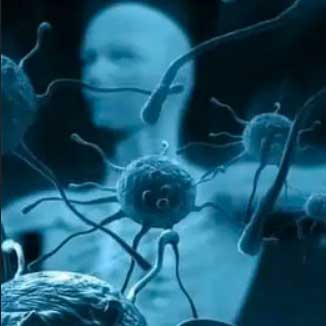
Autoimmune diseases happen when the body’s immune system, which normally fights off infections, mistakenly attacks healthy cells. Common autoimmune diseases include Multiple Sclerosis (MS), Type 1 Diabetes, and Rheumatoid Arthritis. These conditions cause a lot of pain and complications for people who live with them, and finding effective treatments can be challenging. One exciting treatment showing promise is stem cell therapy.
What Are Stem Cells?
Stem cells are special cells in the body that can turn into other types of cells, like muscle cells, brain cells, or blood cells. They play a key role in the body’s healing process because they can repair and replace damaged tissues.
How Do Autoimmune Diseases Work?
In autoimmune diseases, the immune system gets confused and attacks the body’s own tissues. In MS, for example, the immune system attacks nerve cells in the brain and spinal cord, leading to muscle weakness and trouble with movement. In Type 1 Diabetes, the immune system destroys insulin-producing cells in the pancreas, which affects blood sugar control. For Rheumatoid Arthritis, it attacks the joints, causing pain and inflammation.
How Can Stem Cells Help?
Stem cell therapy works by helping the body heal itself. There are two main ways stem cells help with autoimmune diseases:
- Repairing Damaged Cells: Stem cells can replace the damaged cells that the immune system has attacked. For example, in MS, they can help repair nerve cells, and in Type 1 Diabetes, they may regenerate insulin-producing cells.
- Rebalancing the Immune System: Stem cell therapy can also help “reset” the immune system so it stops attacking healthy tissues. This can reduce the symptoms of the disease and slow its progression.
What Does the Treatment Look Like?
Stem cell therapy usually involves taking stem cells from the patient’s own body, like from bone marrow or fat tissue. The cells are then processed and injected back into the body, where they can begin the healing process. In some cases, stem cells from donors can be used.
Conditions Stem Cell Therapy Can Help
- Multiple Sclerosis (MS): Stem cell therapy can reduce inflammation and help repair damaged nerve cells, which can slow down the progression of the disease.
- Type 1 Diabetes: By regenerating insulin-producing cells in the pancreas, stem cell therapy offers hope for better blood sugar control.
- Rheumatoid Arthritis: Stem cells can help reduce joint inflammation and repair damaged tissue, leading to less pain and better mobility.
What’s the Future of Stem Cell Therapy?
Stem cell therapy is still being studied, but early results are promising. While it may not cure autoimmune diseases, it can help manage symptoms, reduce damage to the body, and improve quality of life. As research continues, stem cell therapy could become a key treatment option for people with autoimmune diseases.
If you or someone you know is struggling with an autoimmune disease, stem cell therapy might be worth exploring. It’s an innovative treatment that uses the body’s own healing power to fight disease. To learn more, join us October 10th from 7:00 pm – 8:00 pm for our Regenerative Therapies Webinar on Stem Cells for Auto-Immune Disease
If you have questions, need more information or want to schedule an appointment call us today at 972-712-0892 or fill out the form below and in the “Questions or Comments” section type in “Autoimmune Disease” and we will connect with you.
